
For many Nigerian artists, one breakout year is enough to secure temporary relevance. Sustaining dominance for four straight years in Nigeria’s fast moving music industry is a completely different conversation.
That is exactly where Asake currently stands.
In 2026, the YBNL star is no longer just a hitmaker from Lagos street culture. He has evolved into one of the most commercially powerful African artists globally, while still sounding unmistakably local. That balance is becoming his biggest weapon.
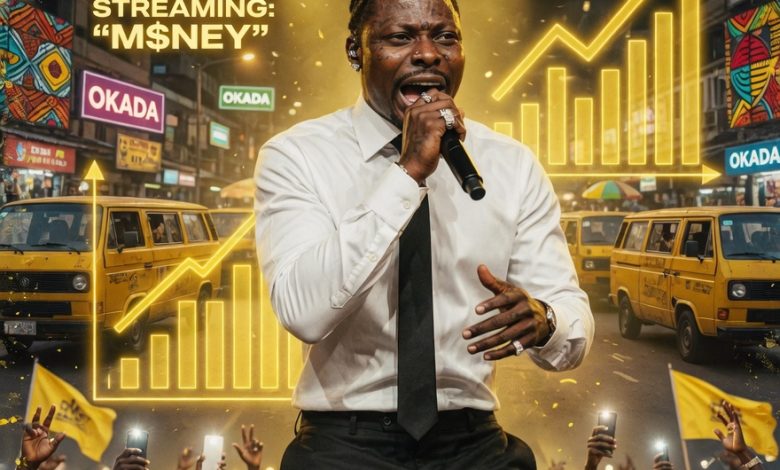
With the explosive success of M$NEY, record breaking streaming numbers, sold out performances, and ongoing conversations around his influence on modern street pop, Asake remains at the center of Nigerian music culture.
And despite growing competition from artists like Seyi Vibez and the arrival of newer street-pop voices, the numbers and cultural momentum still point in one direction.
Asake is still leading the genre he helped reshape.
M$NEY Turned 2026 Into “Mr Money Year”
The release of M$NEY on May 1 immediately shifted the energy of the Nigerian music scene.
The 13 track project arrived after months of anticipation following REAL, Vol. 1, his collaborative EP with Wizkid that dominated conversations earlier in the year.
Within days, M$NEY became one of the biggest African streaming debuts of 2026.
The album reportedly generated over 13 million Spotify streams globally on its first day, while Nigerian listeners alone contributed nearly 10 million streams. First week numbers later crossed 37 million streams on Spotify Nigeria, setting a new benchmark and overtaking previous records held by major Afrobeats releases.
Even more impressive, every song on the album reportedly crossed the 3 million stream mark within its opening week.
For many fans online, the statistics became impossible to ignore.
What started as another album release quickly turned into a wider conversation about longevity, consistency, and whether Asake has already entered generational territory within Afrobeats.
The Wizkid Effect Strengthened His Momentum
One major reason Asake has remained unavoidable in 2026 is timing.
While many artists disappear between album cycles, Asake entered the year with momentum already building through REAL, Vol. 1 alongside Wizkid.
Songs like Jogodo, Turbulence, and Alaye became dominant across streaming platforms, TikTok videos, clubs, and nightlife scenes in Nigeria. The collaboration also exposed Asake to wider international audiences without forcing him to abandon the core identity that made fans connect with him originally.
That chemistry between Wizkid’s calm delivery and Asake’s energetic street-rooted sound created one of the defining Nigerian music moments of the year.
By the time M$NEY arrived, the audience was already fully locked in.
Street Pop Has Changed Because of Asake
One of the strongest arguments fans continue to make online is that Asake permanently changed the sound and global perception of Nigerian street pop.
Before his rise, the genre was often treated as hyper local music with limited international reach. Today, Fuji inspired vocals, Amapiano percussion, spiritual chants, and street slang have become part of mainstream Afrobeats production globally.
Asake made that transition look natural.
Instead of reducing his Lagos identity for international listeners, he amplified it.
That decision is a major reason many fans compare his cultural impact to artists like Bad Bunny, who exported local sounds globally without diluting their identity.
Tracks on M$NEY continue that formula. Songs like Forgiveness and Gratitude show a calmer and more reflective side of Asake, while still keeping the aggressive street-pop energy that built his fanbase.
The result is an artist who sounds bigger and more polished without sounding disconnected from the streets.
The Asake vs Seyi Vibez Debate Is Still Active
No street-pop conversation in 2026 is complete without mentioning Seyi Vibez.
Across X, TikTok, Instagram, and Nigerian music forums, fans continue debating who truly owns the streets.
For some listeners, Seyi Vibez represents raw pain, hustle music, and emotional storytelling. Others believe Asake has surpassed everyone commercially and culturally because of his consistency, crossover appeal, and global reach.
Interestingly, even critics who prefer Seyi Vibez often admit Asake currently controls the bigger records, larger streaming numbers, and stronger international visibility.
That difference has become central to the debate.
One artist dominates emotional street narratives. The other dominates the industry structure itself.
For now, many fans believe Asake sits comfortably at the top commercially, even if the competition remains intense culturally.
Fans Still Connect With His Lagos Identity
A major reason Asake continues to dominate is authenticity.
Despite the global tours, luxury visuals, and international collaborations, Nigerian fans still see him as someone carrying genuine Lagos energy into the mainstream.
Old clips of his performances at OAU and early dance rehearsals continue circulating online, especially as newer fans rediscover his journey.
That “small boy from Isale Eko to global superstar” narrative resonates deeply with young Nigerians navigating hustle culture themselves.
It also explains why phrases like “Lonely at the top” and “Mr Money year” continue trending whenever new milestones appear online.
For fans, the success feels personal.
Critics Exist, But The Numbers Keep Winning
Not everyone is fully convinced by Asake’s artistic evolution.
Some critics argue M$NEY lacks experimentation and repeats familiar themes from previous projects. Reviews questioning the songwriting and depth of the album have also circulated heavily online.
Still, fan reactions suggest the broader audience cares more about replay value, energy, and emotional connection than critical scoring systems.
That disconnect between critics and listeners has become part of Asake’s story.
Even when debates trend online, the streaming numbers usually silence most arguments within days.
Why Asake’s 2026 Dominance Matters
Asake’s current run says a lot about where Nigerian music is heading.
For years, artists often felt pressured to soften local sounds before crossing into global markets. Asake’s success proves the opposite can also work.
His music remains deeply rooted in Lagos street culture, Fuji influences, Yoruba delivery, and local slang. Yet the same songs now dominate charts in multiple countries simultaneously.
That shift is changing how labels, younger artists, and international audiences view Nigerian street pop entirely.
What once looked niche now looks exportable at the highest level.
Final Thoughts
In an industry where attention changes weekly, Asake has managed to stay culturally relevant, commercially dominant, and globally visible all at once.
The success of M$NEY, combined with the momentum from REAL, Vol. 1, has pushed him into another level of conversation within Afrobeats.
There are still debates around artistry, evolution, and competition from rising stars. But based on the numbers, fan energy, streaming dominance, and cultural influence, Asake’s position at the top of Nigerian street pop remains difficult to challenge in 2026.
For now, the streets still belong to Mr Money.

